
Expert Science & Proven Restorative Strategies
Finding a clump of hair gathering in the shower drain or noticing your ponytail feels worryingly thin can spark an immediate wave of anxiety. It is deeply unsettling to watch your hair accumulate on your hairbrush, leaving you wondering if it will ever stop. For many women, hair is intimately tied to identity and confidence, making unexpected thinning feel like a silent, stressful vulnerability.
The beauty market preys ruthlessly on this fear, flashing generic "miracle" hair growth gummies, exotic botanical shampoos, and expensive salon vitamins that promise immediate results. It is frustrating to spend time and money on luxury oils only to realize your hair health has completely stalled. You deserve an honest, evidence-based approach that uncovers the hidden biological mechanisms causing follicles to fail.
The solution requires discarding superficial trends and addressing the root cellular triggers of shedding. By looking at specific nutritional deficiencies, hormonal imbalances, and cellular stressors, you can systematically stop premature shedding and reset your hair cycle. This authoritative guide details the true science of hair loss and reviews the exact clinical treatments dermatologists trust to safely rebuild thickness and structural bounce.
What Is Normal Hair Shedding?
Before panicking about hair thinning, you must understand the natural biology of the hair growth cycle. Every single hair follicle on your scalp operates entirely independently, cycling continuously through three distinct physiological phases:
- The Anagen Phase: The active growing window. Roughly 85% to 90% of your hair follicles are in this phase at any given time, lasting anywhere from two to six years.
- The Catagen Phase: A brief transitional phase lasting about two to three weeks, where the hair follicle shrinks and detaches from its cellular blood supply.
- The Telogen Phase: The official resting stage. Lasting around three months, this follicle remains dormant until it naturally sheds to clear the way for a brand-new hair strand.
Dermatological science establishes that shedding between 50 and 100 hairs a day is perfectly normal. However, when an internal or external trigger abruptly forces a massive percentage of your growing hairs into the resting phase at once, your natural daily shedding can skyrocket to hundreds of hairs.
Common Biological Triggers behind Excessive Thinning
Shedding is rarely an isolated issue; it is almost always a visible messenger of a deeper systemic change. Clinical research categorizes the primary drivers of follicle regression into three distinct areas:
1. Telogen Effluvium (Stress-Induced Shedding)
When your body experiences acute physical trauma or severe emotional stress, it shifts into a survival state. This shock signals a sudden halt to non-essential functions like hair production, pushing thousands of anagen hairs instantly into the telogen phase. The noticeable shedding typically starts two to three months after the initial stress event, making it difficult to link the hair loss to its original cause.
2. Hormonal Miniature Fluctuations and DHT
Hormones serve as the primary chemical controllers of hair density. A major culprit in structural hair thinning is a hormone called Dihydrotestosterone (DHT), a derivative of testosterone. When DHT binds directly to androgen receptors within your hair follicles, it triggers a process known as miniaturization. The follicle progressively shrinks with each growth cycle, producing thinner, shorter, and more fragile hair strands until it stops producing hair entirely.
3. Intracellular Nutritional Deficiencies
Your hair follicles are among the most metabolically active structures in your body, demanding a continuous supply of micro-nutrients to build strong protein chains. If your nutrition levels dip, your body diverts those limited resources to vital organs first, leaving your hair starved of nutrition. Clinical research reveals three critical nutrient markers linked directly to diffuse thinning:
- Serum Ferritin (Iron Storage): Essential for fueling the rapid cell division inside the hair bulb. Low iron levels drop your oxygen delivery, causing follicles to slip into early hibernation.
- Vitamin D3: Functions as a pro-hormone that directly regulates the expression of genes controlling the anagen growing phase. Deficiencies can prevent new follicles from waking up.
- Zinc: A crucial trace mineral that plays an irreplaceable role in structural cellular repair, follicular tissue growth, and healthy sebaceous gland maintenance around the hair root.
Clinical Breakdown: Authoritative Hair Restoration Reviews
The following treatments have been chosen based on ingredient bio-utilization, stable laboratory clinical trials, and verified performance in restoring structural follicle health.
Mielle Organics Rosemary Mint Scalp & Hair Strengthening Oil

Peer-reviewed trials show that stabilized rosemary extract can perform similarly to standard minoxidil treatments by directly improving blood circulation around the hair root. Mielle’s rich formula infuses therapeutic concentrations of rosemary alongside biotin to strengthen hair bonds, without the harsh synthetic solvents common in generic medical foams.
- Improves micro-circulation around weak follicles to jumpstart growth.
- Infused with biotin to reinforce the outer cuticle layer of the hair.
- Soothes dry, inflamed scalps to provide a healthy growing environment.
- Requires consistent, long-term application before visible shifts occur.
- Fine hair types should use it strictly as a pre-wash treatment to avoid limp strands.
The Ordinary Multi-Peptide Serum for Hair Density
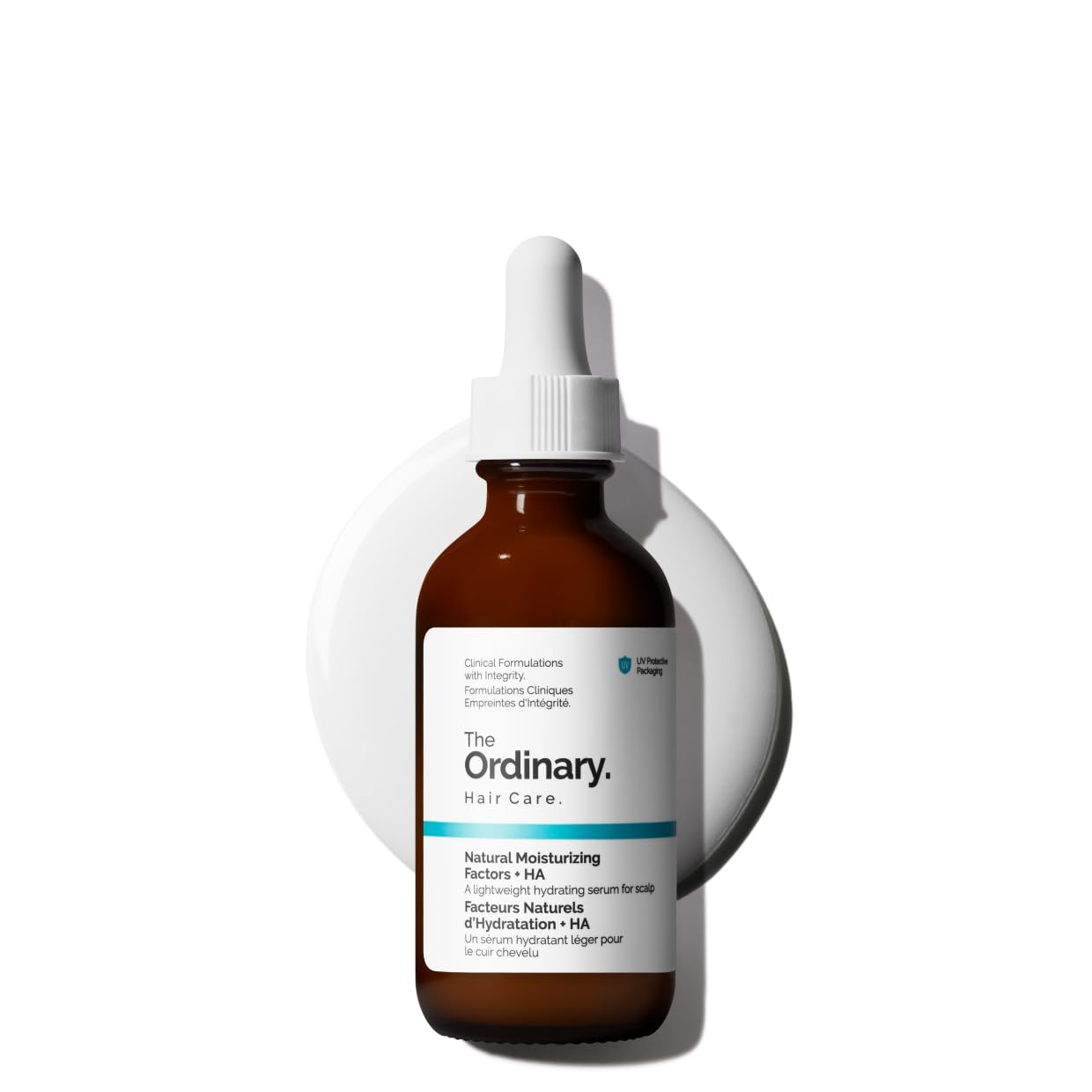
The Ordinary targets thinning at a cellular level with an advanced formulation combining REDENSYL™, Procapil™, and CAPIXYL™. This ultra-lightweight, water-based serum penetrates deep into the scalp to block external DHT activity, increase overall hair density, and extend the natural length of the growing phase.
- Advanced peptide matrices work directly on root anchoring structures.
- Completely water-based formula absorbs instantly without ruining styling volume.
- Fragrance-free profile minimizes the risk of scalp irritation.
- Must be applied consistently every evening for optimal absorption.
- Does not treat underlying systemic nutritional or hormonal issues.
How to Establish a Healthy Scalp Care Strategy
Buying expensive topicals is useless if you treat your scalp poorly. To optimize hair growth and stop premature shedding, you must maintain a clean, professional scalp environment.
Wash your scalp regularly to prevent a buildup of sebum, sweat, and dead skin cells. Excess oil can host bacteria and cause inflammation, creating oxidative stress that degrades the root structures of your hair.
Avoid regular use of dry shampoos, which can clog follicles and choke off developing strands. Instead, use a clarifying shampoo once a week and follow with a gentle, non-greasy scalp serum to supply the nutrients your hair needs to thrive.
Your Path Forward to Restored Hair Volume
Reversing hair thinning does not require settling for empty miracle promises or panicking over normal shedding. It requires a patient, science-focused approach tailored to your body's biology. If you are dealing with a dry, irritated scalp and overall brittleness, try introducing a circulation-boosting solution like the Mielle Strengthening Oil. If your hair loss shows up as diffuse thinning along your part, let a modern, targeted formula like The Ordinary Peptide Serum protect and wake up your dormant follicles.
Medical Disclaimer: The information provided on Lumivexa, including text, graphics, images, and other material, is strictly for educational and informational purposes only. No material on this site is intended to serve as a substitute for professional medical advice, clinical diagnosis, or specialized treatment. Always seek the direct advice of your dermatologist, physician, or other qualified healthcare provider regarding any medical condition, hair care regimen, or therapeutic ingredient. Never disregard professional medical consultation or delay seeking it because of something you have read on this platform.
Join the Skincare Science Conversation!
Dealing with sudden hair shedding can feel like a lonely journey, but you do not have to navigate it alone. Have you ever noticed increased hair fall after a stressful life event? Have you tried rosemary oil or peptide serums yet? Leave a comment down below and share your story with our community!