
Which Ingredient Wins the Ultimate Glow Battle?

You wake up, look in the mirror, and notice the same stubborn dark spots, uneven skin tone, and dullness staring back at you. You want that effortless, radiant skin that looks amazing even without makeup, but your current routine simply isn't delivering. The skincare aisle is overwhelming, packed with promises of instant radiance, leaving you confused about where to actually spend your money.
Trying to guess your way to clear skin can be a frustrating, expensive nightmare. Choosing the wrong active ingredient can trigger breakouts, compromise your skin barrier, or cause red, painful irritation that takes weeks to heal. Even worse, using incompatible products can completely cancel out their benefits, wasting your hard-earned money while your hyperpigmentation stays exactly the same.
You do not have to guess anymore. By understanding the direct matchup of Vitamin C vs Niacinamide, you can pick the perfect powerhouse for your specific skin goals. Let's break down exactly how these two legendary ingredients work, how they compare, and how you can use both to achieve the ultimate glowing complexion.
As an Amazon Associate I earn from qualifying purchases. This post contains affiliate links, meaning I may receive a small commission at no extra cost to you if you make a purchase through these links.
- Best for Brightening & Glow: Timeless 20% Vitamin C offers maximum clinical potency at a fantastic price point.
- Best Budget Acne Solution: The Ordinary Niacinamide 10% + Zinc 1% is the ultimate option for clearing congestion and surface shine.
- Best for Stubborn Dark Spots: La Roche-Posay Mela B3 features innovative patented tech to clear deep post-acne marks.
- Best for Sensitive Skin Redness: innisfree Korean Green Tea Serum combines niacinamide with calming antioxidants to soothe irritation.
| Product Name | Main Actives | Primary Focus | Best For |
|---|---|---|---|
| Timeless 20% Vitamin C | 20% L-Ascorbic Acid, Vit E, Ferulic Acid | Collagen & Antioxidant Defense | Experienced users seeking extreme glow |
| Drunk Elephant C-Firma | 15% L-Ascorbic Acid, Fruit Enzymes | Fading spots & Exfoliation | Luxury budgets wanting peak freshness |
| TruSkin Vitamin C | Sodium Ascorbyl Phosphate, Hyaluronic Acid | Gentle daily hydration & repair | Skincare beginners & sensitive skin |
| The Ordinary Niacinamide | 10% Niacinamide, 1% Zinc PCA | Oil balance & congestion | Oily, acne-prone skin on a budget |
| La Roche-Posay Mela B3 | 10% Niacinamide, Melasyl | Aggressive hyperpigmentation repair | Stubborn age spots & post-acne marks |
| innisfree Green Tea | Green Tea, Hyaluronic Acid, Niacinamide | Soothe inflammation & deep hydration | Irritated, dry, or dehydrated skin |
Understanding the Contenders: What Are Vitamin C and Niacinamide?
Before putting these two ingredients head-to-head, it helps to understand what they are and why dermatologists love them.
What is Vitamin C?
Vitamin C is a potent, water-soluble antioxidant. The most active and thoroughly researched form found in skincare is L-ascorbic acid, though you will also see stable derivatives like tetrahexyldecyl ascorbate or ascorbyl glucoside. It acts as a defensive shield for your face, neutralizing environmental free radicals caused by UV exposure and pollution while actively accelerating cellular repair.
What is Niacinamide?
Niacinamide, also known as Vitamin B3, is a versatile, water-soluble vitamin that your body cannot produce on its own. Unlike volatile acids, it is an exceptionally stable molecule that does not degrade easily under light or heat. It serves as a cellular communicator, working behind the scenes to reinforce your skin barrier, calm inflammation, and regulate oil production.
The Direct Matchup: How They Compare
While both ingredients are celebrated for creating a brighter complexion, they approach the task through entirely different biological pathways.
- How They Fight Dark Spots: Vitamin C blocks tyrosinase, the specific enzyme responsible for producing melanin, preventing dark spots from forming in the first place. Niacinamide takes a different route; it leaves the melanin production alone but steps in to stop the transfer of pigment into your visible skin cells.
- Target Skin Concerns: Vitamin C specializes in reversing sun damage, boosting collagen synthesis, and creating an all-over surface brightness. Niacinamide excels at shrinking the appearance of stretched pores, reducing redness, balancing excess sebum, and healing a damaged skin barrier.
- Stability and Shelf Life: Pure Vitamin C (L-ascorbic acid) is highly unstable, prone to oxidizing when exposed to air and light, turning an unusable dark amber color. Niacinamide is incredibly rugged, maintaining its chemical integrity for years without losing potency.
- Skin Sensitivity: To penetrate the skin effectively, pure Vitamin C requires a highly acidic pH level, which can trigger tingling, redness, or peeling in sensitive skin types. Niacinamide operates at a neutral, skin-friendly pH, making it highly soothing for reactive or rosacea-prone skin.
Pros and Cons of Vitamin C
The Pros
- Provides superior antioxidant protection against daily environmental pollution.
- Directly stimulates collagen production to smooth fine lines and firm the skin.
- Fades stubborn sunspots and dark patches by inhibiting pigment production.
- Boosts the protective efficacy of your daily morning sunscreen.
The Cons
- Can be highly unstable and oxidize quickly if exposed to light or air.
- Highly acidic formulas can cause irritation, itching, or breakouts on sensitive skin.
- Premium, stable formulations often come with a high luxury price tag.
Pros and Cons of Niacinamide
The Pros
- Significantly strengthens the moisture barrier by stimulating ceramide production.
- Visibly reduces excess oil production and refines stretched, enlarged pores.
- Exceptionally stable ingredient that plays well with almost all other skincare actives.
- Safe and highly soothing for all skin types, including sensitive and acne-prone skin.
The Cons
- High concentrations (around 10% or more) can occasionally cause mild irritation for specific skin types.
- Takes longer to show dramatic brightening results compared to pure acidic antioxidants.
- Does not provide the same level of direct, aggressive anti-aging collagen synthesis as Vitamin C.
💡 Quick Tip: How to Read the Label
When shopping for Vitamin C, look for L-ascorbic acid near the top of the ingredient list if you want maximum potency, or Sodium Ascorbyl Phosphate if you have sensitive skin. For Niacinamide, look for formulas between 2% to 5% for gentle daily maintenance, or 10% if your primary goal is rapid oil control and pore tightening.
Top Product Recommendations
Ready to add these ingredients to your vanity? Here are the top-performing, dermatologist-approved options available today, along with their pros and cons to help you make the right choice.
Vitamin C Serums
1. Timeless Skin Care 20% Vitamin C + E Ferulic Acid Serum
A lightweight, fast-absorbing formula that combines high-potency L-ascorbic acid with Vitamin E and ferulic acid to build collagen and maximize antioxidant defense.

- Pros: Extremely lightweight, non-greasy texture that absorbs fast; stabilized with Vitamin E and Ferulic Acid; excellent budget-friendly alternative to luxury brands.
- Cons: The high 20% concentration can cause a tingling sensation or irritation on highly sensitive skin types; requires cold/dark storage to prevent early oxidation.
2. Drunk Elephant C-Firma Fresh Day Serum
A unique formulation designed to be mixed right before your first use, ensuring peak freshness and stability for fading dark spots and boosting radiance.

- Pros: Innovative liquid-to-powder DIY mixing mechanism ensures absolute maximum product freshness; packed with potent pumpkin ferment and fruit enzymes for gentle extra exfoliation.
- Cons: Sits on the premium, luxury price spectrum; has a slightly tacky, rich finish that oily skin types might need a moment to let sink in.
3. TruSkin Vitamin C Facial Serum
A highly popular, budget-friendly option that uses a gentle form of Vitamin C mixed with hyaluronic acid, making it an excellent choice for skincare beginners.
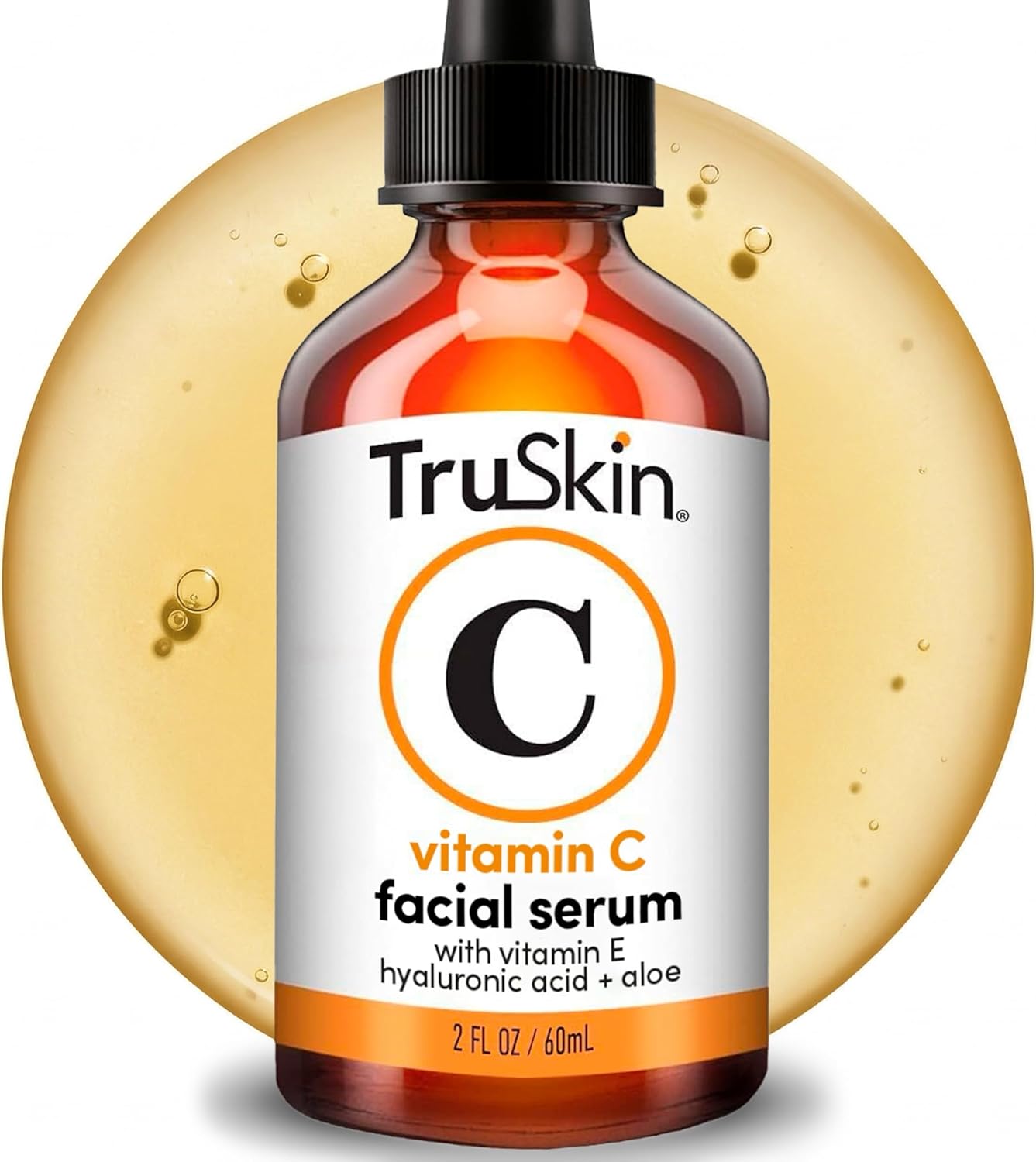
- Pros: Uses a stable and gentle Vitamin C derivative (Sodium Ascorbyl Phosphate) that rarely irritates skin; deeply hydrating due to added hyaluronic acid and aloe vera base.
- Cons: Because it uses a milder derivative, it takes longer to see dramatic, rapid dark spot clearing compared to pure L-ascorbic acid formulas.
Niacinamide Serums
1. The Ordinary Niacinamide 10% + Zinc 1%
A cult-favorite, ultra-affordable water-based serum engineered specifically to balance oil, clear skin congestion, and refine large pores.

- Pros: Extremely affordable price point; the 1% Zinc PCA works quickly to control excess shiny surface oil and minimize breakouts.
- Cons: The formula can lather up or "soap" white if massaged too quickly into dry skin; the high 10% strength can cause mild breakouts (purging) for specific sensitive profiles.
2. La Roche-Posay Mela B3 Dark Spot Corrector Serum
An advanced formula combining 10% niacinamide with proprietary molecules to aggressively target stubborn hyperpigmentation while respecting sensitive skin.

- Pros: Features a multi-patented "Melasyl" ingredient block that traps excess pigment before it can mark the skin; deeply hydrating gel texture suitable for all skin tones.
- Cons: Contains a distinct floral fragrance that might not appeal to users who strictly prefer unscented products; comes at a higher drugstore price bracket.
3. innisfree Korean Green Tea Seed Hydrating Serum
A luxurious, milky serum enriched with green tea antioxidants and encapsulated hyaluronic acid that sinks into the skin cleanly to erase post-acne marks, build the moisture barrier, and calm redness.

- Pros: Silky, elegant texture that layers beautifully under makeup without pilling; utilizes powerful green tea antioxidants and encapsulated hyaluronic acid to instantly soothe red skin patches and lock in 72-hour moisture.
- Cons: A premium K-beauty option with a slightly higher price tag per ounce compared to standard drugstore choices; the formula focuses heavily on deep hydration, so oily skin types may need a moment to let it absorb cleanly.
✨ The Final Verdict: Which Serum Wins a Spot in Your Routine?
How to Choose the Right Serum for Your Skin Goals
When picking between a powerful Vitamin C or a clarifying Niacinamide serum, matching the active ingredients to your primary skin concerns ensures maximum results without irritation. Here is a quick breakdown to help you make your final selection:
- For Brightening and Collagen Support: If your main goals are fading overall dullness, smoothing fine lines, and getting an instant glow, choose a high-potency Vitamin C formula. The Timeless 20% Vitamin C Serum or the Drunk Elephant C-Firma Fresh Serum are exceptional choices. Apply these in the morning to protect your skin from daily pollution.
- For Oily and Acne-Prone Skin: If you struggle with excess shine, localized skin congestion, and clogged pores, choose a clarifying Niacinamide + Zinc blend. The ultra-affordable The Ordinary Niacinamide 10% + Zinc 1% or the mattifying Minimalist 10% Niacinamide Serum actively work to regulate sebum production.
- For Post-Breakout Marks and Redness: If you are dealing with stubborn red or dark marks left behind by healed acne, choose Niacinamide paired with advanced soothing antioxidants. The hydrating innisfree Korean Green Tea Seed Serum or the deeply targeted La Roche-Posay Mela B3 Serum are best suited to calm irritation and break up deep skin pigment.
- For Sensitive Skincare Beginners: If active ingredients usually cause your skin to flush or peel, stick to gentle, stable vitamin derivatives. The TruSkin Vitamin C Facial Serum features a soothing aloe vera and hyaluronic acid base that repairs the skin barrier while working gently on dark spots.
Disclaimer: The information provided on LumiVexa is for educational and informational purposes only and should not be construed as professional medical advice, diagnosis, or treatment. Skincare results vary individually based on unique skin profiles, allergies, and environmental factors. Always patch-test new active clinical ingredients (such as high-concentration Vitamin C or Niacinamide) before full application. If you experience persistent irritation, worsening breakouts, or allergic reactions, discontinue use immediately and consult a board-certified dermatologist or healthcare professional.